
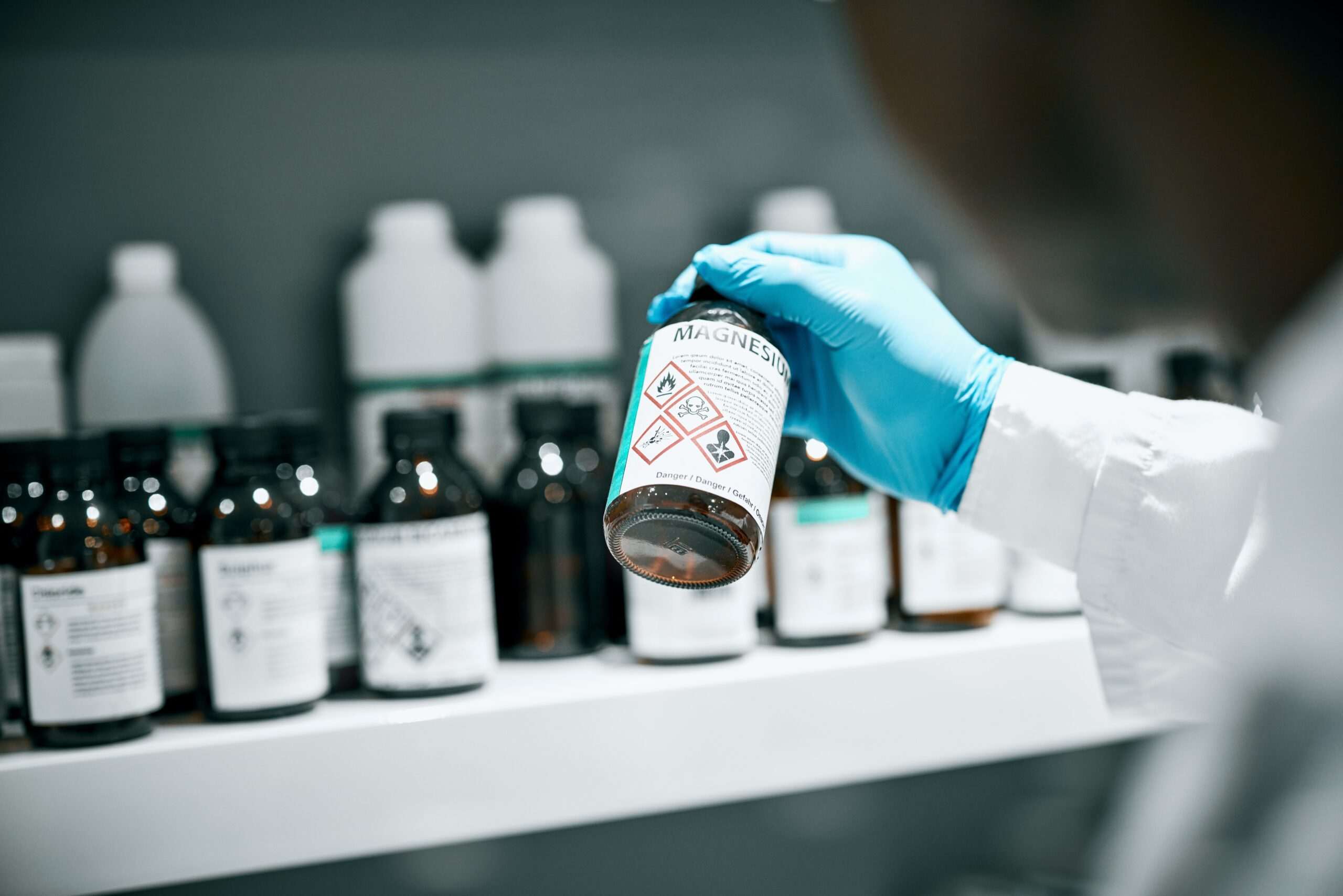
Transporting hazardous lab chemicals is a complex process and requires detailed planning, precise execution, and safe handling. Relocating hazardous materials involves layers of risk mitigation strategies and specialized logistics that leave no room for error. Every detail matters, and it is essential to understand the chemical properties of each substance to ensure proper labeling, emergency preparedness, temperature-stability requirements, and containment protocols.
So how do you ensure your next chemical lab move is a success? A well-coordinated team working within a strict regulatory framework is crucial to any effective, compliant chemical move. Each participant—from safety officers to logistics managers—must understand their responsibilities and adhere to strict protocols.
Learn about the key components of a safe lab chemical relocation, including the roles of personnel, the tasks required to execute a compliant move, and best practices for handling specific classes of hazardous lab chemicals and materials.
Personnel Roles and Responsibilities in a Hazardous Lab Chemical Move
A hazardous chemical relocation requires careful coordination and clearly defined responsibilities between the lab personnel and the lab moving company. From planning and preparation to transportation and emergency response, teams must work together to minimize risks and enhance overall operational efficiency.
Some key roles include:
- Project Manager/Coordinator
- Hazardous Material Specialists
- Safety Officer
- Transportation Specialists
- Compliance Officers
- EHS Managers
- Lab Personnel
While each team member brings specialized knowledge to the table and manages their own responsibilities, all moving parts must coordinate seamlessly to ensure important details are not overlooked.
Ensuring Safety During the Relocation of Hazardous Chemicals in the Laboratory
Transporting hazardous materials requires more than an experienced team and careful logistical planning. It requires strong commitment to safety at every stage of the process. From initial preparation, packing and labeling, final transport and unloading, safety must be the guiding principle behind every decision and action.
Pre-Move Safety Checks and Preparations
A pre-move safety check is the first step in safely and efficiently moving hazardous materials and identifying potential risks. Proper planning helps to prevent accidents, ensure employee safety, comply with safety standards, and minimize the risk of delays.
- Personnel Training: Ensure all team members are trained in packing and handling hazardous materials, emergency response procedures, and the proper use of PPE.
- Equipment Inspection: Inspect vehicles, containers, and equipment to ensure they are in safe working order and can maintain stable internal temperatures, if required.
- Site Security: Secure loading/unloading areas to prevent unauthorized access.
- Chemical Inventory: Ensure a complete and accurate chemical inventory list is prepared, including item name, volume, and total quantities.
- Documentation and Labeling: Verify that all required documents (shipping papers, manifests, SDS) are complete and accurate, and that materials are properly labeled.
Safe Handling Procedures During a Lab Chemical Move
Committing to safe handling procedures during a relocation ensures that materials are managed with the utmost care throughout the process. Some proper handling techniques include:
- Safety: All personnel handling hazardous materials should always wear the appropriate PPE during a lab relocation.
- Chemical Relocation SOPs: Trained technicians follow all safety and regulatory requirements, adhere to SOPs, and ensure all chemicals are appropriately labeled and securely packed.
Packaging: Identify, separate, pack, transport, and dispose of lab chemicals in accordance with DOT regulations. - Loading and Unloading: Use proper lifting techniques, ensure trained operators handle specialized equipment such as forklifts or cranes, and secure all materials to prevent leaks or spills.
- Route Planning: Select routes to avoid high-risk areas, such as densely populated cities, road closures, or areas affected by severe weather, to increase efficiency and safety.
- Communication: Clear and consistent communication throughout the move reduces uncertainty and ensures an efficient move and quick responses when issues arise.
- Monitoring: Continuously monitor temperatures (when required), verify that containers remain stable during transit, and watch for any signs of leaks or spills.
Post-Move Safety Procedures
After a successful lab relocation, personnel should conduct a post-move safety check. This part of the process is crucial in ensuring everyone’s safety, that issues are appropriately addressed, and that the relocation complies with regulatory standards.
- Record-Keeping: Maintain an accurate inventory of the move for compliance and audits.
- Decontamination and Waste Disposal: Decontaminate personnel, equipment, and trucks, then dispose of contaminated materials safely in accordance with protocols.
- Incident Reporting: Report any spills, leaks, or accidents to the appropriate authorities.
Handling Protocols for Specific Hazardous Materials
Handling hazardous materials involves significant risks, and strict adherence to safety protocols is essential. Proper handling helps protect personnel, the public, and the environment while ensuring compliance with regulatory requirements.
Protocols for Hazardous Lab Chemical Transportation
When transporting hazardous chemicals—such as flammables, corrosives, and toxic substances—each type must be packaged and handled according to its specific safety requirements.
- Flammable chemicals must be packaged to limit exposure to heat or sparks, typically in sealed, leak-proof containers to prevent a fire.
- Corrosive substances should be stored in materials that are resistant to degradation. Use certain plastics or glass to avoid leaks and contamination.
- Toxic chemicals require careful handling. To prevent inhalation or direct contact, ensure the substances are in double-sealed containers, and there is proper ventilation.
A key part of safe relocation is referencing Safety Data Sheets (SDS), which detail each chemical’s properties, hazards, and handling requirements. SDS ensures everyone involved understands the risks and the steps needed to manage them safely.
Chemical compatibility must also be considered, since some substances can react dangerously if stored together. Proper planning prevents accidental mixing, which could lead to a fire, explosions, or the release of toxic fumes.
Protocols for Transporting Infectious Biological Material
The transportation of infectious biological materials requires strict adherence to safety protocols to prevent contamination and exposure.
Infectious materials, such as bacteria, viruses, and other pathogens, must be handled with the utmost care to prevent them from posing a risk to public health or the environment. Hazardous materials require specialized storage containers that meet regulatory standards, with temperature control a critical factor in preserving the integrity of many biological materials. When transporting this type of material, vehicles must be equipped with the necessary temperature-controlled environment.
When transporting biological materials classified as infectious, it is legally required to obtain the necessary permits and provide the required notifications. Collaboratively, the Environmental Health and Safety (EHS) department, the Principal Investigator, and lab movers should complete all documentation and submit it to the relevant authorities. Following this procedure ensures they are fully informed about the nature of the materials being transported.
Ensuring Safe and Compliant Hazardous Material Relocation with GenVault
Relocating hazardous lab chemicals and materials is a complex and high-risk process. However, with careful planning, precision, and the right expertise, you can ensure that the move is successful.
The importance of having trained personnel at every stage cannot be overstated. By prioritizing assessing the chemical properties to preparing for a potential emergency, organizations can protect their operations, the environment, and public health throughout each phase of the relocation.
If you’re looking for a team of dedicated experts to assist with your upcoming hazardous materials relocation, GenVault is here to help. We offer the largest fleet of custom-built 40-foot tractor-trailers in the industry, along with 24/7 temperature monitoring and extensive experience serving labs of all types nationwide. You can trust that your move is in capable hands with GenVault Transport Services.
Learn more about our safe, reliable lab chemical move services.