
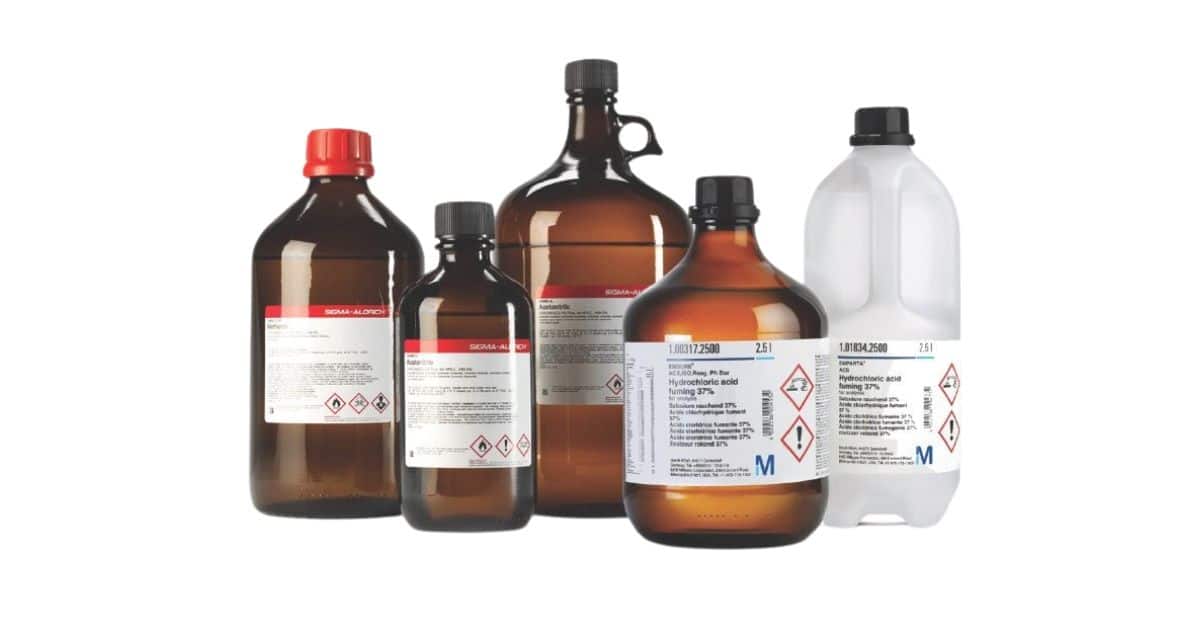
Laboratory chemical moves are common in the life science industry. With thousands of regulated substances, strict compliance requirements, and the need to protect people, property, and research, a chemical lab move demands specialized expertise. When selecting a service provider, choose one that brings proven experience in laboratory chemical moves, ensuring safe handling, full compliance with U.S. Department of Transportation (USDOT) regulations, and reliable delivery. Whether moving across campus or across the country, work with a team that delivers a seamless process, protects your materials, and keeps labs running smoothly.
Here are five essential steps to help a lab navigate the complexities of a laboratory chemical move.
Step 1: Inventory Assessment and Planning Laboratory Chemical Moves
Identify and categorize all chemicals based on their hazard level, compatibility, and storage requirements. With this information, a detailed relocation plan addresses logistical considerations such as transportation, packaging, and storage at the new location.
Step 2: Laboratory Chemical Segregation and Packaging
Segregate chemicals based on compatibility and hazard classification to prevent reactions during transport. Proper packaging is crucial to ensure safety and regulatory compliance.
Step 3: Regulatory Compliance and Documentation
Laboratories and lab moving companies must ensure adherence to local, state, and federal regulations governing the transportation of hazardous materials, including the Department of Transportation (DOT), Environmental Protection Agency (EPA), and Occupational Safety and Health Administration (OSHA) regulations. Detailed documentation, including manifests, permits, and safety data sheets (SDS), should be prepared and maintained to demonstrate compliance and regulatory inspections.
Step 4: Secure Transportation and Handling
Choosing a reputable lab mover with expertise in handling laboratory chemicals is critical to safety and security. The lab moving provider should have appropriate containment and safety features to prevent spills, leaks, or accidents during transit. Trained personnel should oversee the loading, unloading, and transportation of the chemicals to minimize risks and ensure compliance with safety protocols.
Step 5: Post-Move Verification and Quality Assurance
After the chemicals have been successfully transported to the new location, laboratories should conduct a thorough verification process to ensure all lab chemicals arrive safely and intact. This involves inspecting the packaging for any signs of damage or leakage and verifying that all containers are properly labeled and stored.
A successful laboratory chemical move requires planning, execution, and expertise to ensure safety and compliance. With GenVault Transport Services as a trusted partner, laboratories can navigate the complexities of chemical relocation with confidence and peace of mind. By following these five essential steps and leveraging GenVault Transport Services’ specialized expertise, laboratories can streamline their lab chemical move, minimize risks, and focus on advancing their scientific objectives.
Learn more about how GenVault Transport Services can help with your next laboratory chemical move.